Carbon fiber & composites
Material-led development for lighter, stronger components, tooling and application-specific structures.
↗Research-led manufacturing
Carbovant Innovations develops manufacturing systems at the edge of materials, machine vision and adaptive tooling - with carbon fiber and composites at the center of our roadmap.
Core capabilities
We investigate hard manufacturing problems, prove the operating principle and shape the result into a system that can move toward deployment.
Material-led development for lighter, stronger components, tooling and application-specific structures.
↗First-principles research translated into fixtures, prototypes and systems that can be tested on the floor.
↗Optics, illumination, industrial cameras and image analysis designed around difficult operating conditions.
↗Pneumatic end-of-arm tools and control concepts for variable parts, surfaces and handling paths.
↗Selected development work
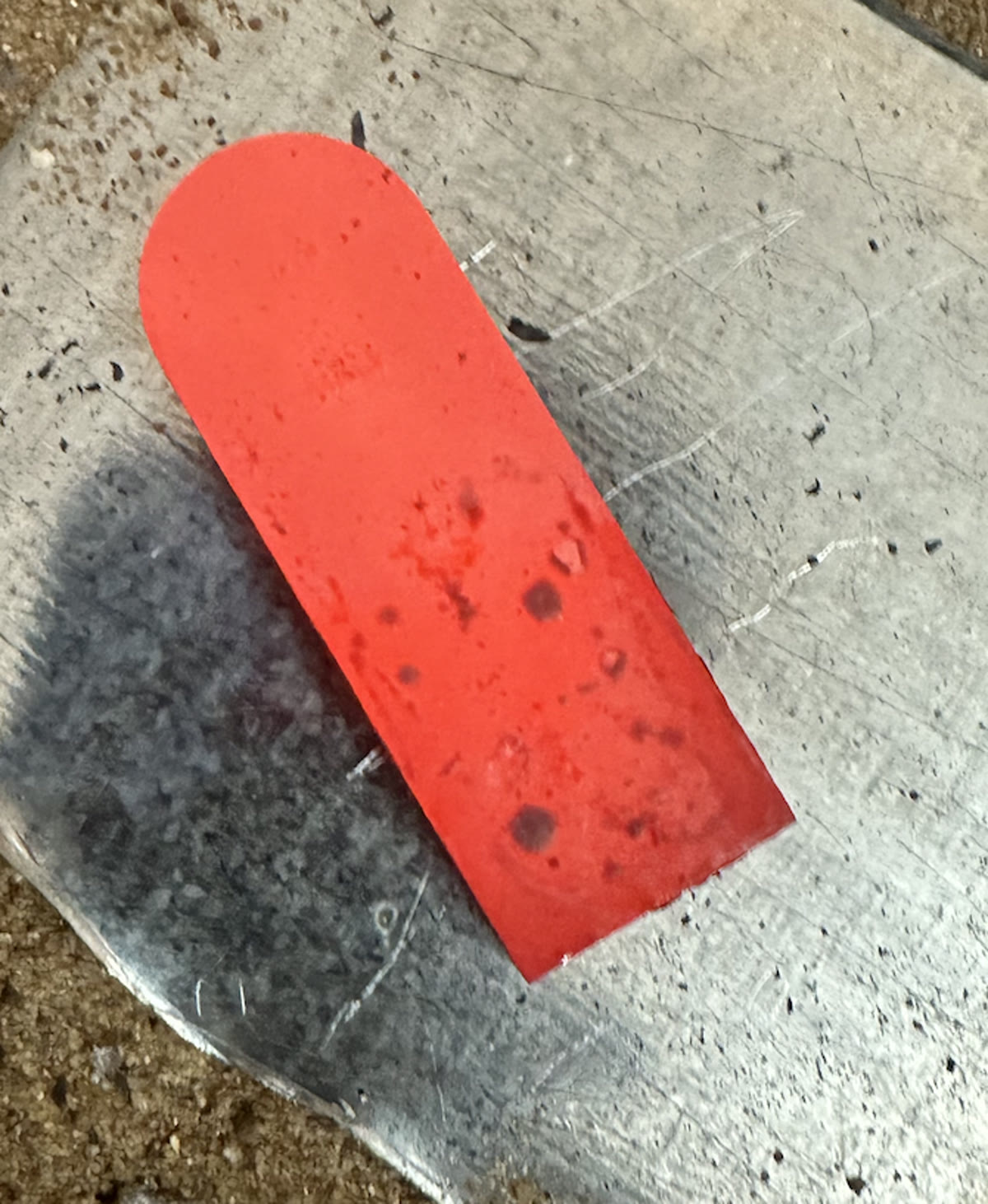
PROJECT FILES / 2024-26A 360-degree inspection concept for finding cracks, voids and surface anomalies while steel billets are still red hot.
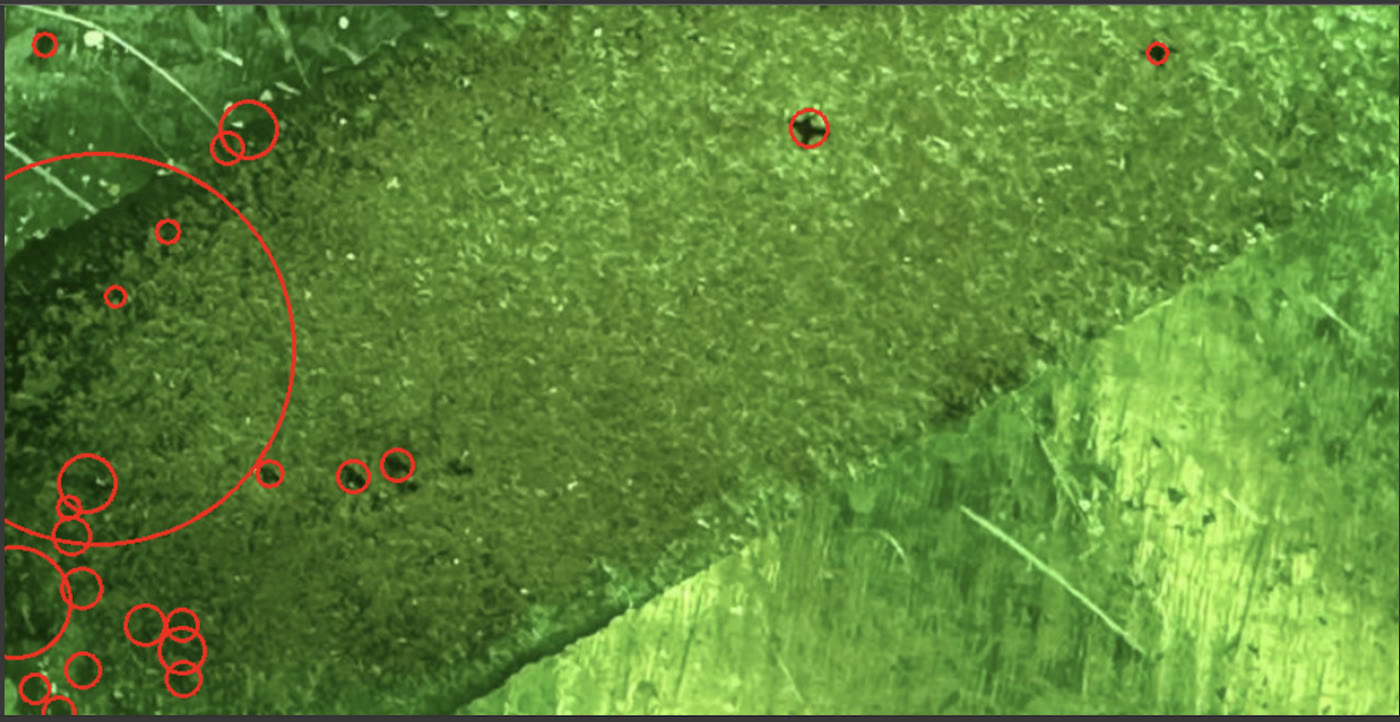
The investigation combines coherent illumination, bandpass filtering, industrial cameras and machine-learning-assisted image analysis to make defects more visible in a high-radiation environment.
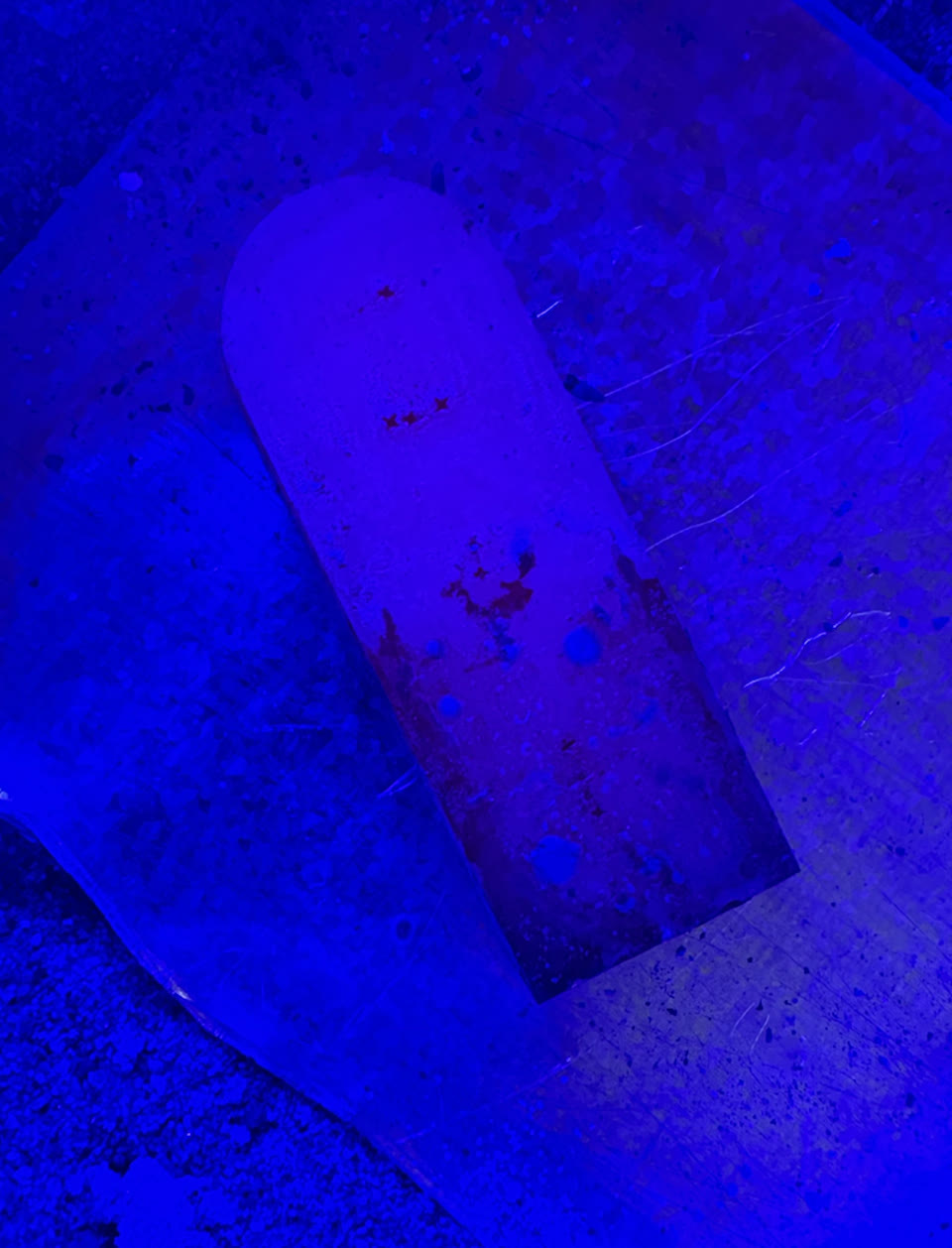
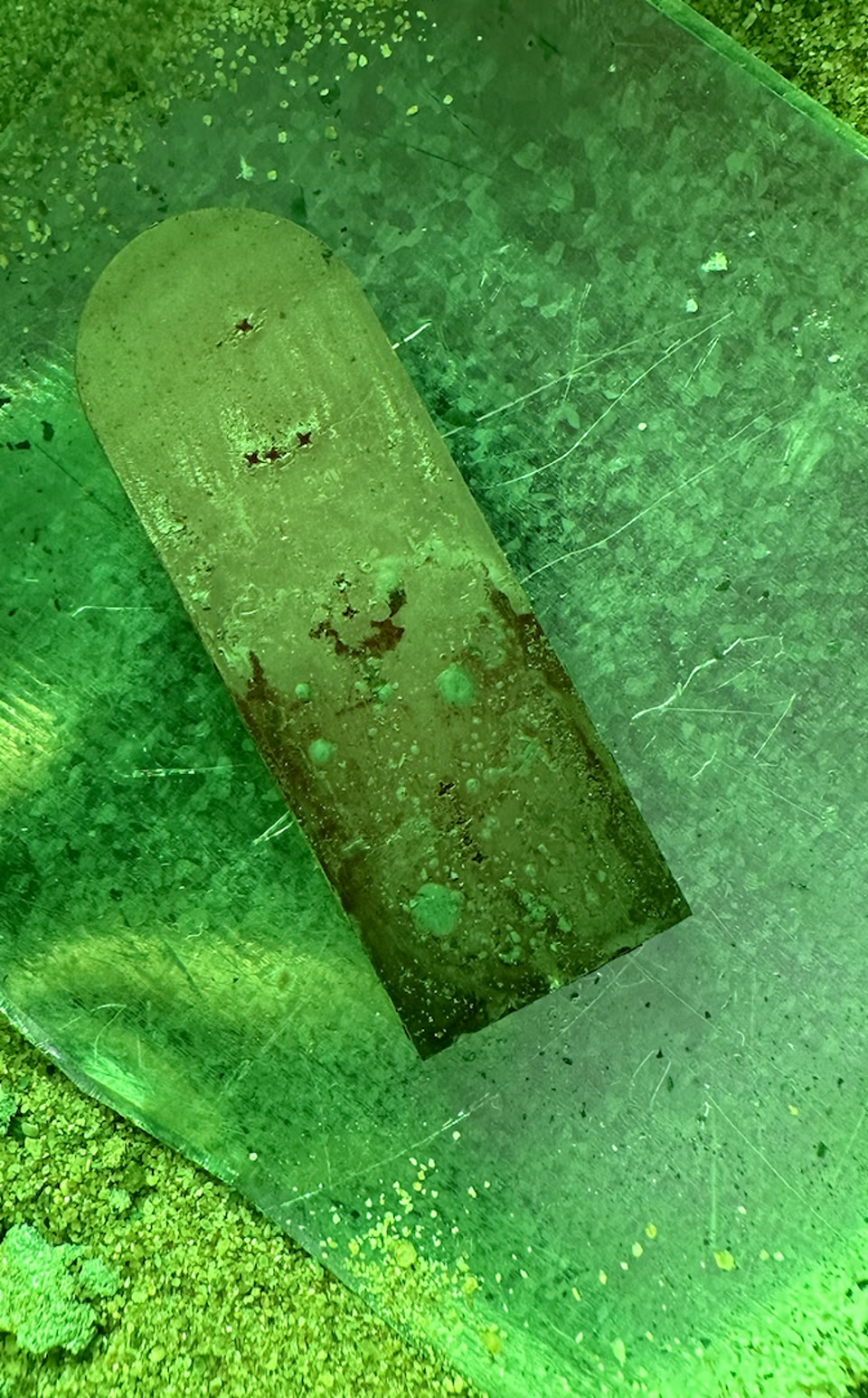
Coherent light isolates useful surface information from the billet's thermal radiation.
Industrial cameras and bandpass optics acquire views around the hot billet.
Edge detection, error pointing and contour mapping surface regions of interest.
Inspection output is presented to an operator for fast review and action.
Concept study
A compact system study visualising camera, illumination and billet movement around an inspection cell.
One adaptable tool for components with different geometries, finishes and weight distribution.
The pneumatic prototype was tested across mild steel, chrome-coated and aluminium parts. It comfortably lifted 150-300 gram specimens, including non-magnetic and uneven shapes, while retaining the flexibility to regrip and realign a misplaced component.
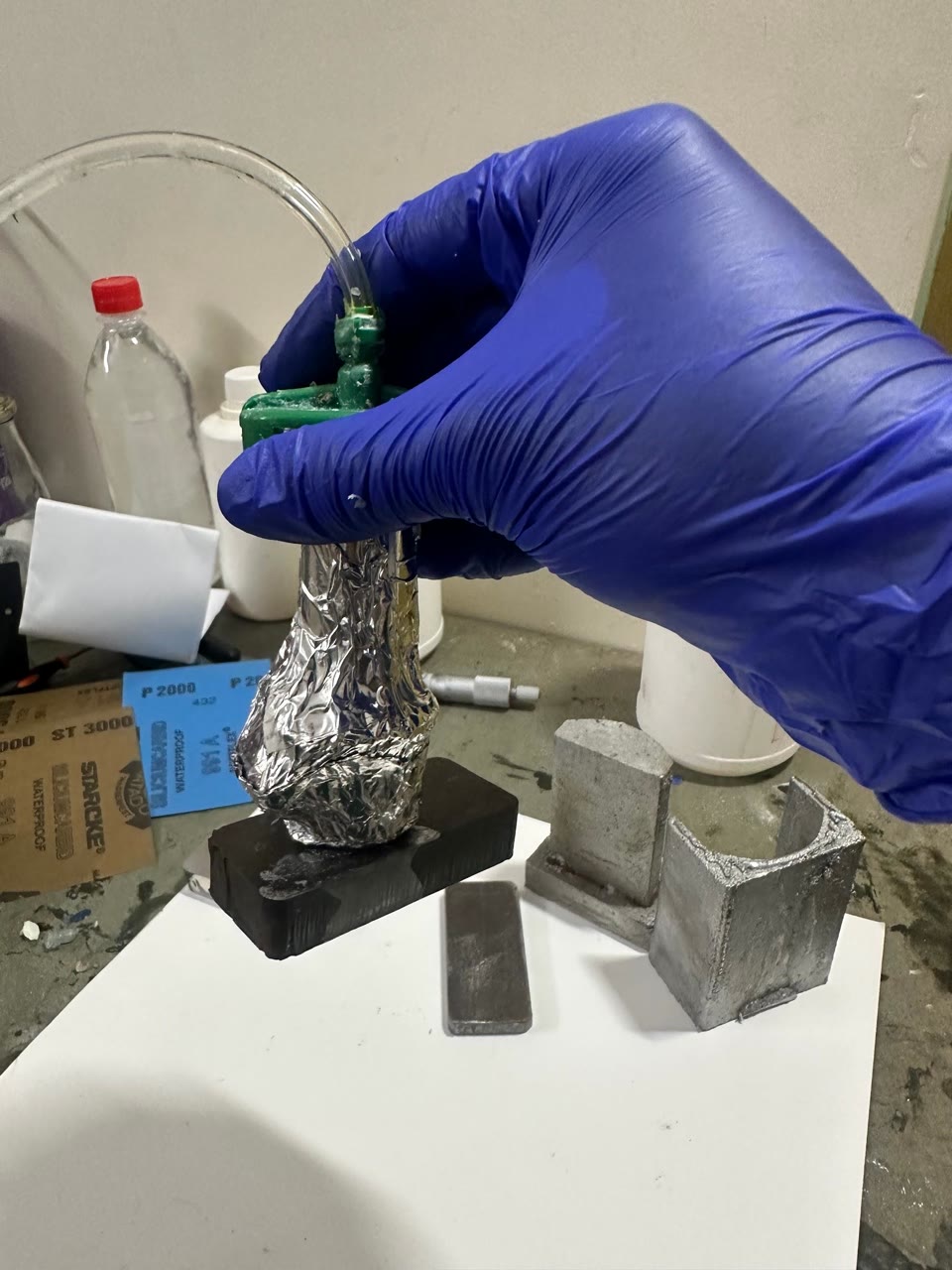 PROTOTYPE IN ACTION
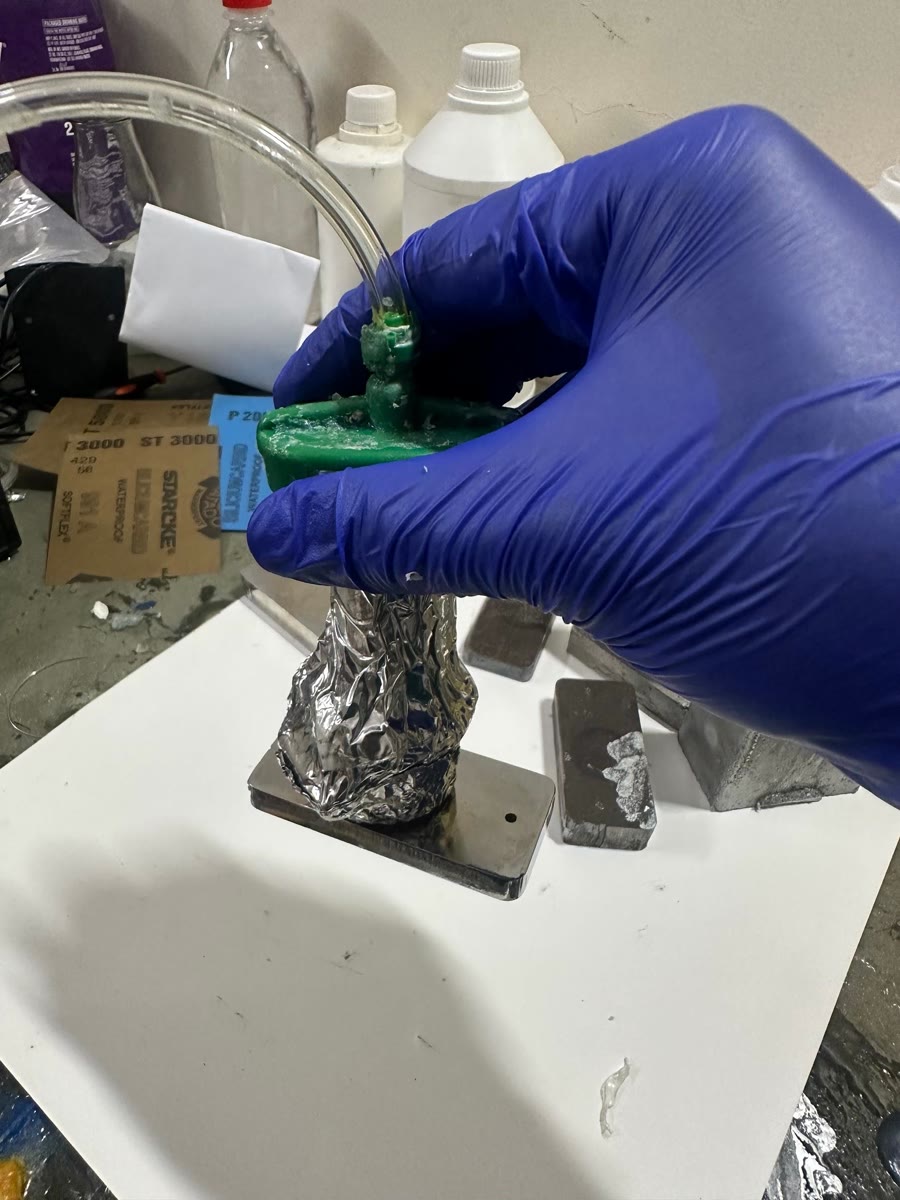 TEST SPECIMENS
Designed for variation.One pneumatic architecture. Multiple materials, surfaces and part geometries.
A centrifugal tether-deployment concept for compact, non-RF counter-drone interception.
Aegis Spin explores how a carrier platform, a balanced rotating hub and controlled dual-line deployment could work together as a low-cost physical interception system. The current Rev-0 is a contained bench demonstrator used to validate the hub mechanics, balance, payout and retraction sequence—it is not flight hardware.
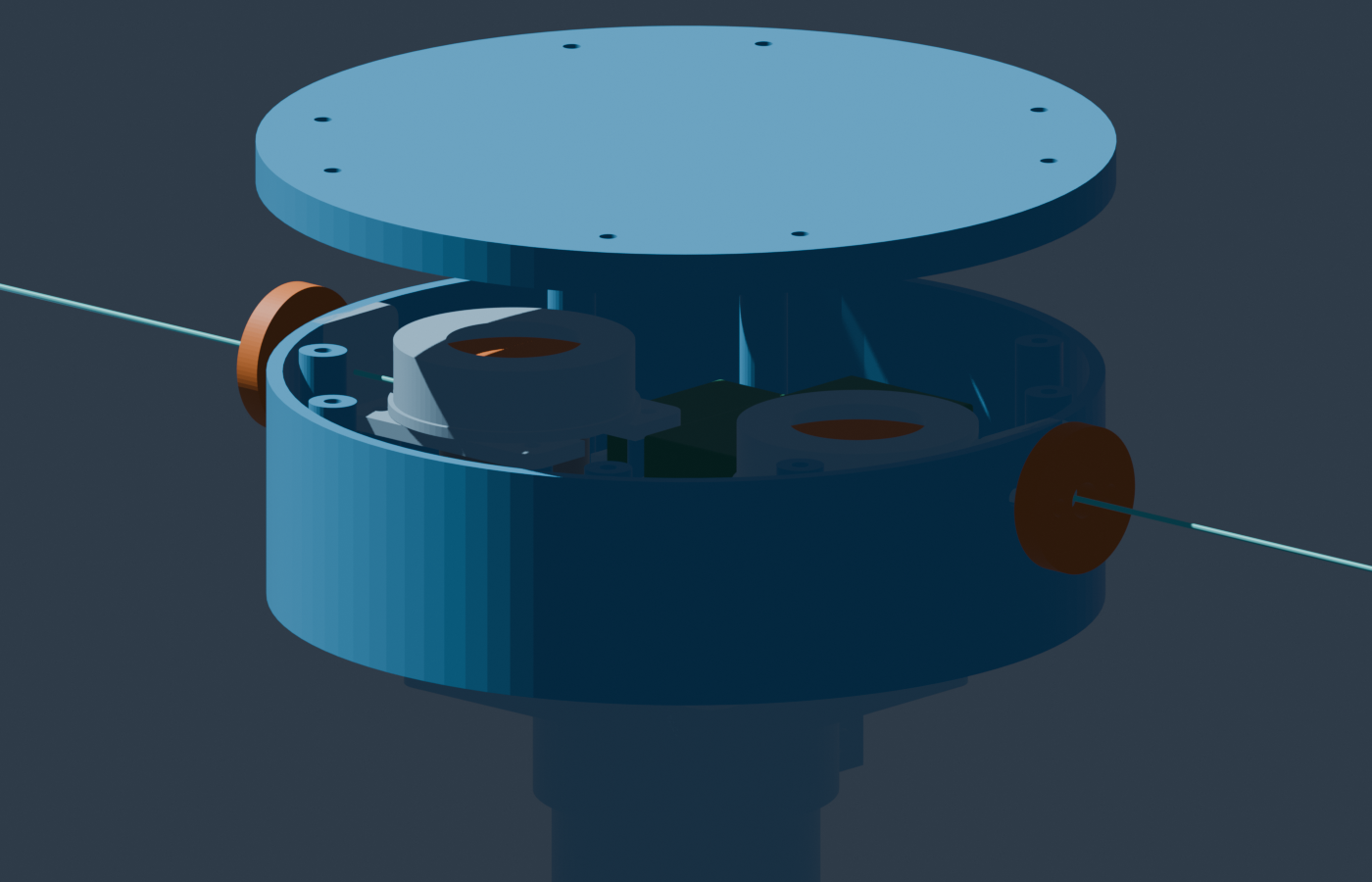
A carrier platform is directed toward the identified airspace event.
The system closes distance while the hub remains in its safe travel state.
The balanced hub spins up and meters two opposed tethers in a controlled sequence.
Bench testing evaluates repeatable retraction, docking and safe spin-down.
Early motion study for carrier release, stabilisation and approach.
Concept visualisation of the interception geometry in motion.
Rev-0 validation rig
The test rig was developed as a 20-part printable mechanical assembly. Its first validation envelope is deliberately conservative: low-speed rotation, matched covered test masses and operation inside closed impact-resistant containment.
Bench validation active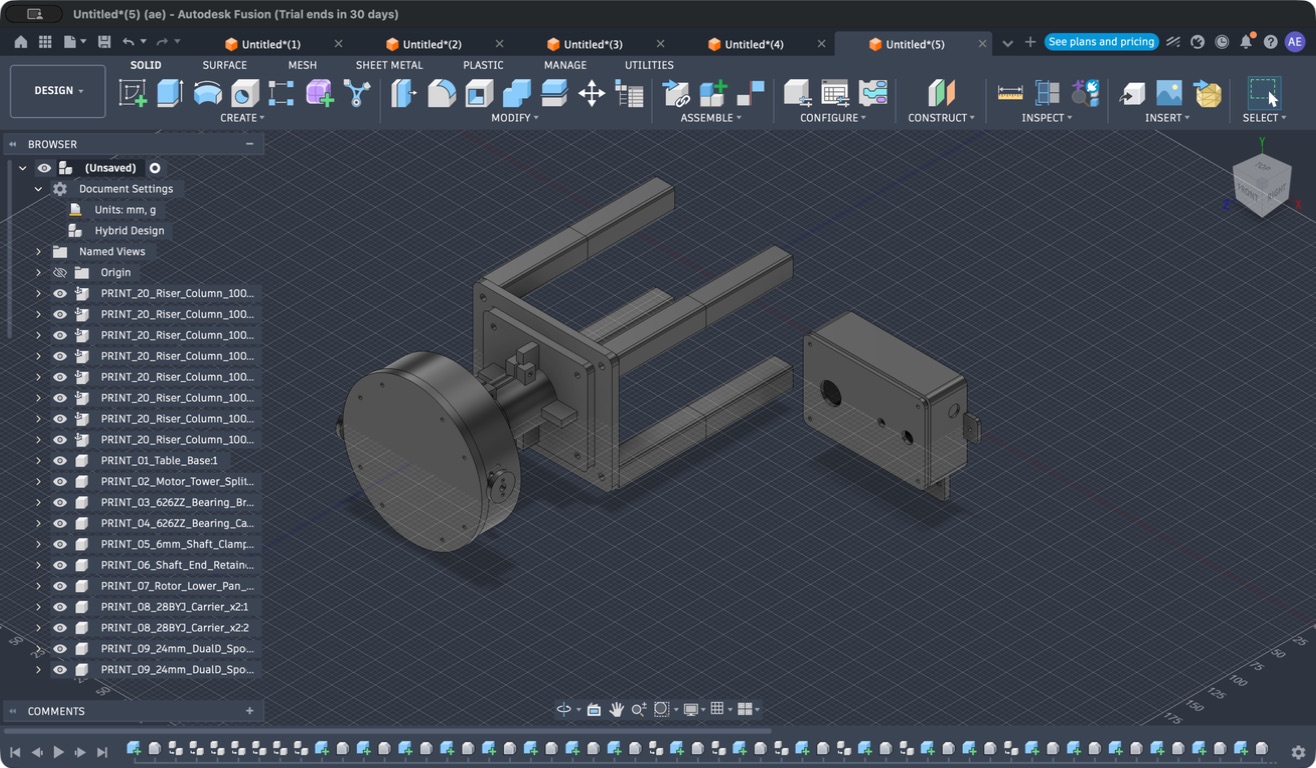
Our approach
Understand the physics, operating constraints and real failure mode.
Build the smallest credible system that proves the principle.
Use real materials, geometries and conditions to expose the weak points.
Refine integration, repeatability and manufacturing readiness.
Build with Carbovant